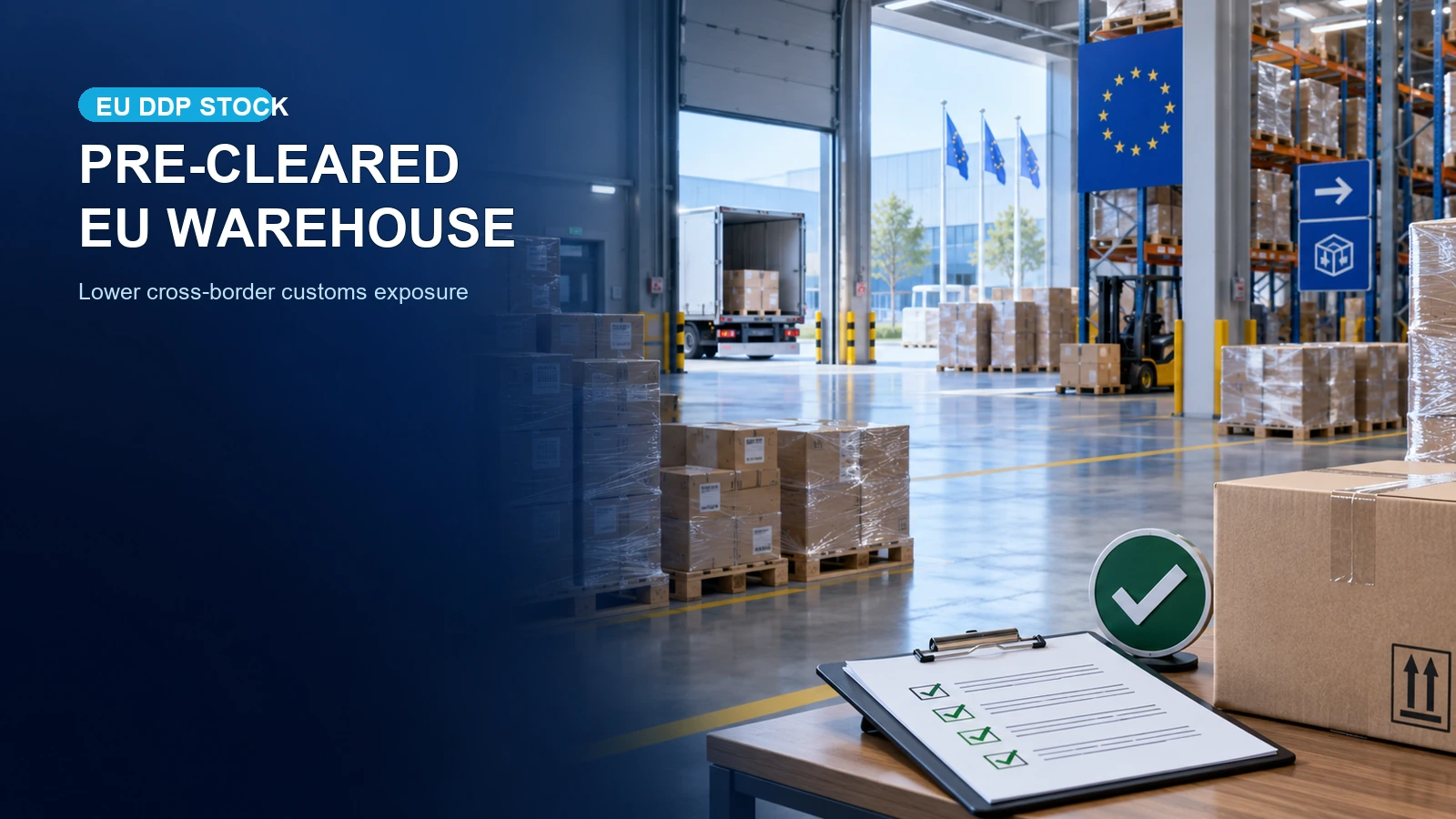
Disposable vape customs clearance risks EU buyers face depend on the route, product documentation and destination requirements. European warehouse stock can reduce import-stage exposure when it has already completed customs clearance, but it does not remove every product or market-surveillance obligation.
Separate import risk from product-compliance risk
Import clearance determines whether goods can enter the relevant customs territory under the declared route. Product compliance determines whether the item, packaging, labelling and commercial presentation are suitable for the destination market.
These checks overlap operationally but they are not interchangeable. A cleared shipment should not be described as universally compliant unless the destination-specific product evidence has also been reviewed. Purchasing teams should record the responsible party for each check so that a logistics assumption is not mistaken for a legal conclusion.
Compare standard freight with cleared European stock
The confirmed FIZZY European warehouse stock has completed import customs clearance, and applicable import duties and taxes have been processed. That status reduces the buyer’s import-stage workload for goods dispatched from the warehouse.
| Risk-control point | Direct or standard cross-border freight | Cleared European warehouse stock |
|---|---|---|
| Import declaration | Required under the agreed route | Completed before warehouse sale |
| Import duties and taxes | Allocated by the Incoterm and shipment | Processed for goods held in the warehouse |
| Border-document exposure | Applies during the import movement | Reduced for the completed import movement |
| Destination product checks | Still required | Still required |
| Delivery estimate | Depends on export, import and carrier route | Typically two to three days regionally |
European warehouse supply therefore changes where part of the customs work is completed. It does not create zero seizure risk, guarantee clearance for future shipments or prevent enforcement where product requirements are not met.
Confirm what the DDP quotation covers
DDP is a delivery term that allocates responsibilities between seller and buyer. The quotation should state the dispatch location, destination, carrier, included costs and which customs and tax steps have already been completed.
The European DDP warehouse sourcing guide describes the confirmed current offer. Buyers should retain the commercial invoice and the supplier’s written confirmation of the warehouse, stock and delivery terms.
Review the current delivery route
Typical European delivery is two to three days, with DPD, UPS or CTT selected according to the country and order. This is an operating estimate rather than a guaranteed arrival time.
DPD service 495-SEUR covers 22 confirmed destinations, while UPS or CTT may be selected for other routes. The carrier and expected service window should be reconfirmed on the quotation because route availability and operational conditions can change.
Check stock and box structure
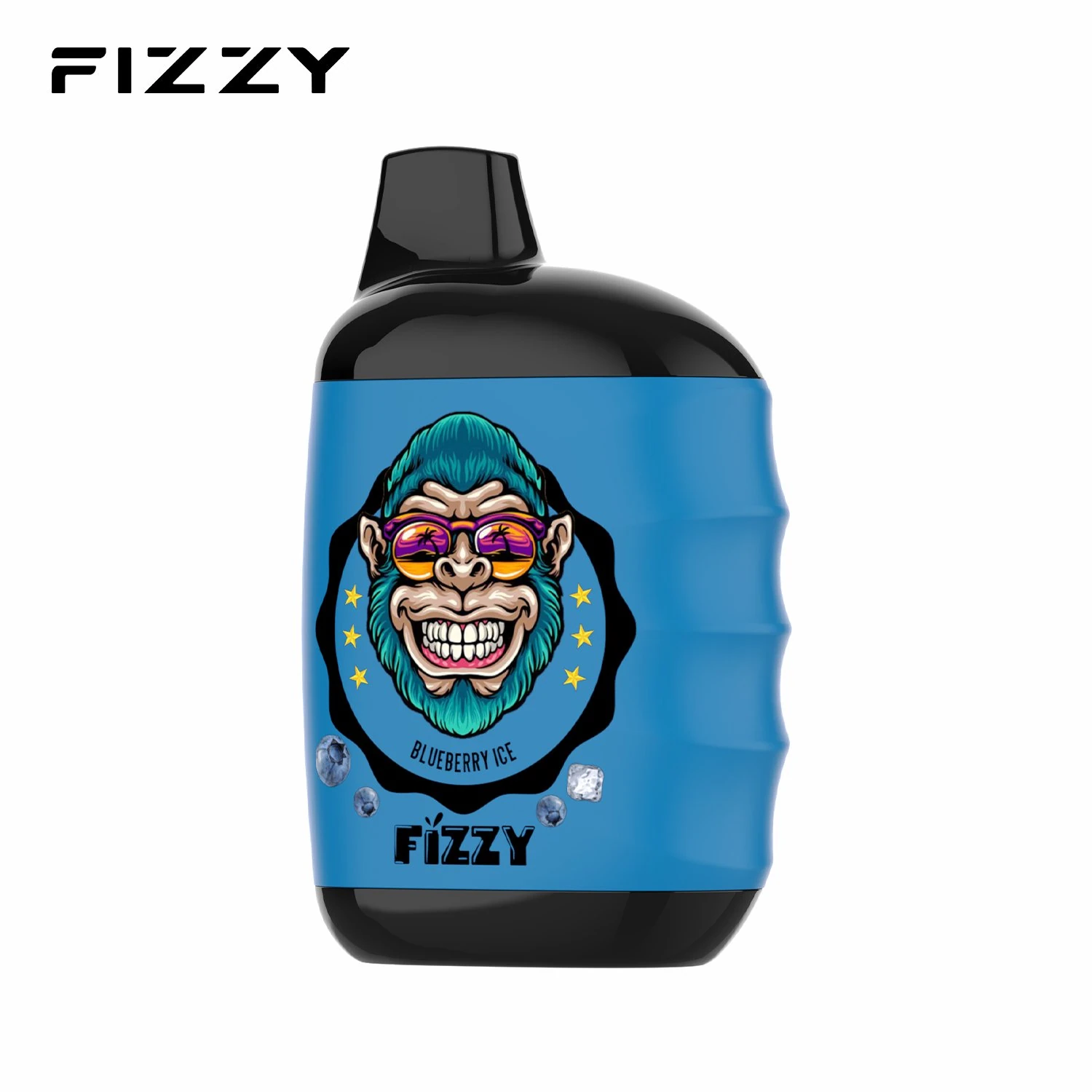
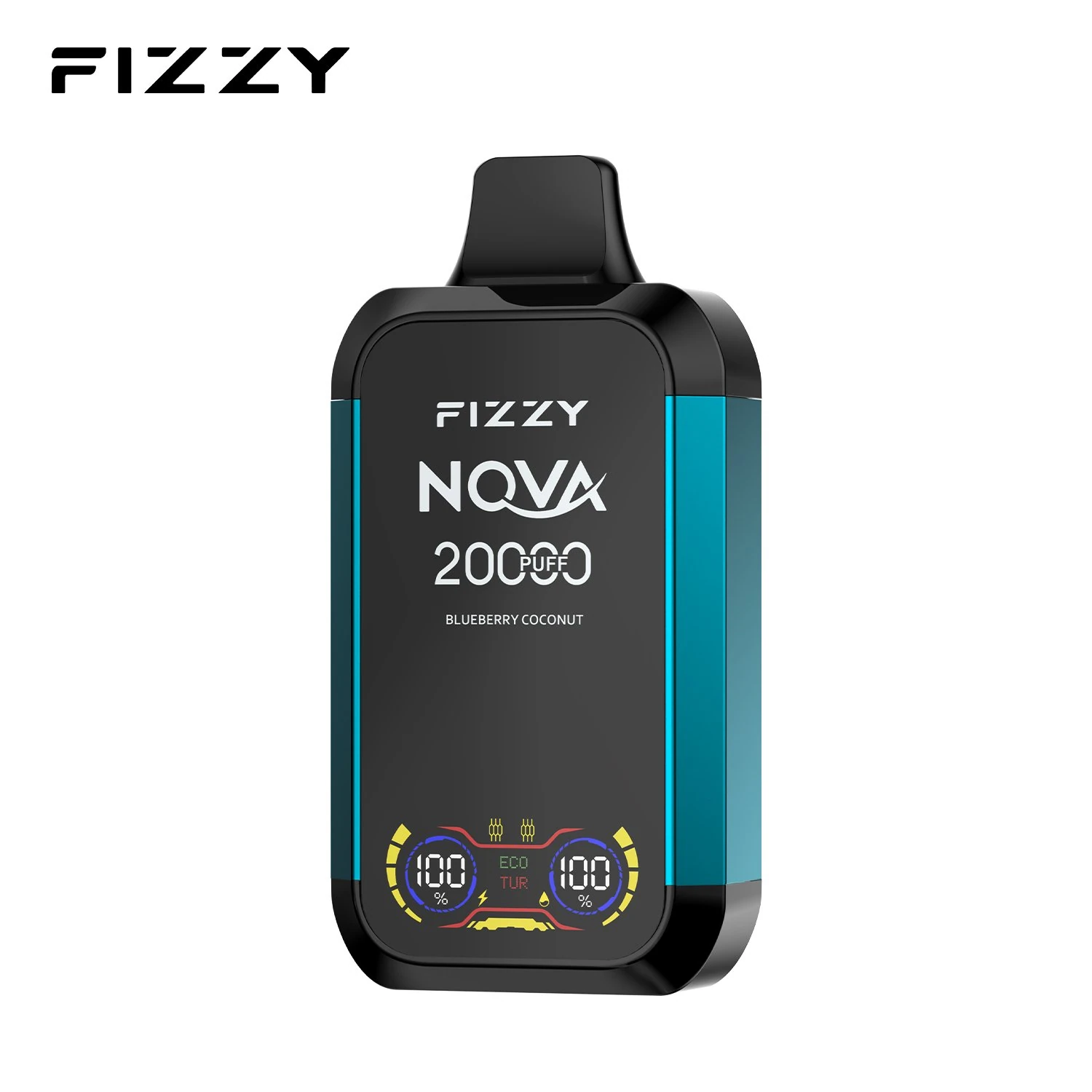
The European warehouse currently holds the offered flavour range across the 50K, 80K, 100K, 120K and 150K ranges. The minimum order is one complete ten-unit display box.
Each display box contains one fixed SKU and one fixed flavour combination. An order may combine several complete boxes, but different SKUs cannot be mixed inside the same box; the low-MOQ European wholesale guide explains this distinction in detail.
Build a customs and product document checklist
Ask for written records that match the model and destination instead of relying on a general DDP label. Missing documents should be resolved before dispatch.
- Commercial record: Confirm seller, buyer, model, quantity, value, dispatch location and destination.
- Warehouse statement: Confirm that the quoted stock is physically held in the European warehouse.
- Import status: Confirm that import customs clearance, duties and applicable import taxes have been processed for that stock.
- Product specification: Match the model, nicotine option, rated designation, packaging and fixed flavour combination.
- Destination review: Check the current product, labelling, packaging, notification and retail rules that apply where the goods will be sold.
- Carrier record: Confirm whether DPD, UPS or CTT will handle the route and record the estimated delivery window.
The European Commission’s official importation guidance explains the general customs process. It should be read alongside destination-specific product rules and professional advice where required.
Avoid absolute customs claims
Phrases such as 鈥渮ero customs risk,鈥� 鈥済uaranteed clearance鈥� or 鈥渘o possibility of seizure鈥� should not appear in a sourcing article. They overstate what any logistics term or warehouse arrangement can prove.
Accurate wording is narrower: stock held in the European warehouse has completed its import customs clearance and the applicable import duties and taxes have been processed. Future shipments, other routes and destination-market enforcement remain separate matters.
Review disposable vape customs clearance risks EU buyers can control
Buyers can reduce preventable exposure by confirming the stock location, completed import status, exact SKU, destination requirements and carrier route before payment. They should also retain the quotation and supporting records for internal purchasing and receiving checks.
Use the current FIZZY product catalogue to identify the required model, then request the matching warehouse and document confirmation. For a destination-specific quotation, contact the FIZZY wholesale team.